


3jl | The Rise of Strategy Games: Exploring the Intricate World of Strategy Gaming
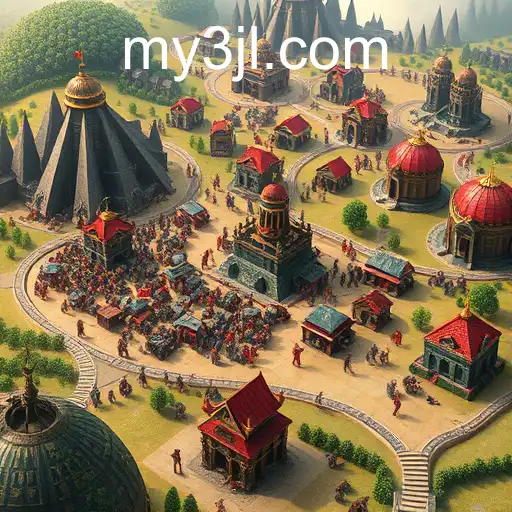
Strategy games have long been a staple in the gaming industry, drawing players into complex systems that demand tactical thinking, foresight, and adaptability. From expansive real-time strategy (RTS) games that require quick decision-making to turn-based strategies that allow for meticulous planning, this genre offers something for everyone. The keyword '3jl' may not be immediately recognizable to gamers by its sequence, but it represents a niche intersection of emerging trends and technologies within the broader category of strategy games.
In recent years, the appeal of strategy games has only grown. The advent of sophisticated AI opponents, detailed world-building, and robust multiplayer options have expanded the horizons of what these games can achieve. Titles like Starcraft, Civilization, and Total War have set benchmarks in strategic gameplay, with each installment introducing innovative mechanics and immersive storytelling.
The growth of competitive gaming, or eSports, has also fueled the popularity of strategy games. These games push players to hone their skills, with matches often becoming intense mental duels. Strategy games challenge players to anticipate their opponents' moves, manage resources efficiently, and execute precise tactics, all while under pressure.
Many strategy games also offer educational benefits. They encourage players to develop strategic thinking skills that can be applied in real-world situations, such as decision-making, problem-solving, and critical thinking. These games often involve historical simulations or realistic war scenarios, blending entertainment with learning.
Furthermore, the strategy genre has seen significant innovation through technology integration. With the rise of mobile gaming, developers have adapted strategy games for smartphones and tablets, making them more accessible than ever. Meanwhile, advancements in virtual reality (VR) are beginning to open new frontiers in immersive strategy gaming experiences.
Ultimately, the enduring popularity of strategy games stems from their ability to engage players on a deeper intellectual level. They provide a sense of accomplishment and mastery that few other genres can match, rewarding players not only for skillful execution but also for thoughtful planning and strategic foresight. Whether experiencing the intricacies of ancient warfare or navigating the complexities of space colonization, strategy games offer a unique playground for the mind.
